

Kelp has two lives. Pick up a strand of kelp on the beach and you're holding half of its story. The long brown blade is the part everyone knows. The other half happens out of sight, in a generation of plants so small you'd need a microscope to find them.
We follow both halves, from the rocks at low tide to our lab and out into the North Sea. Here's how it works.
Kelp on our coast

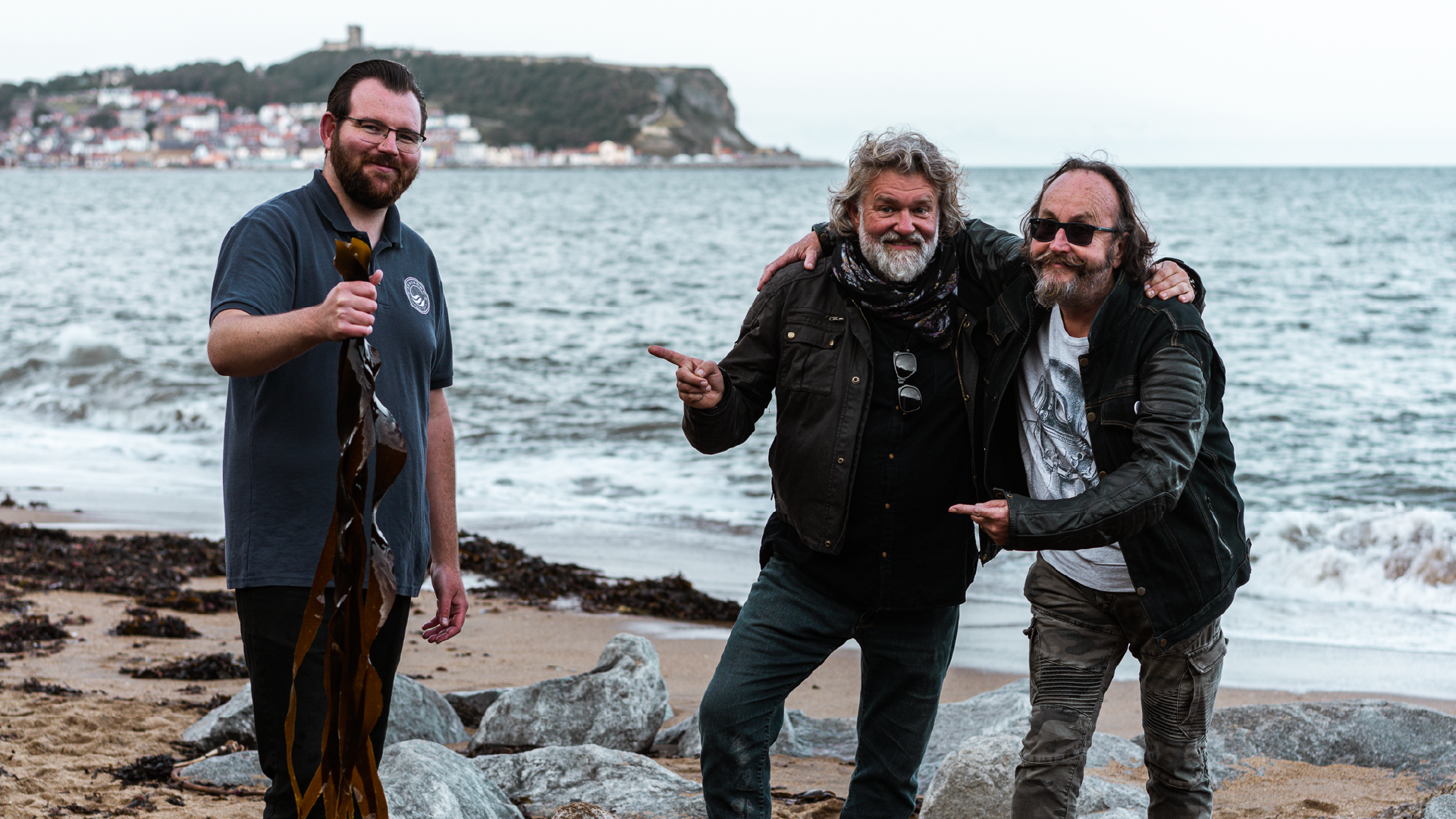
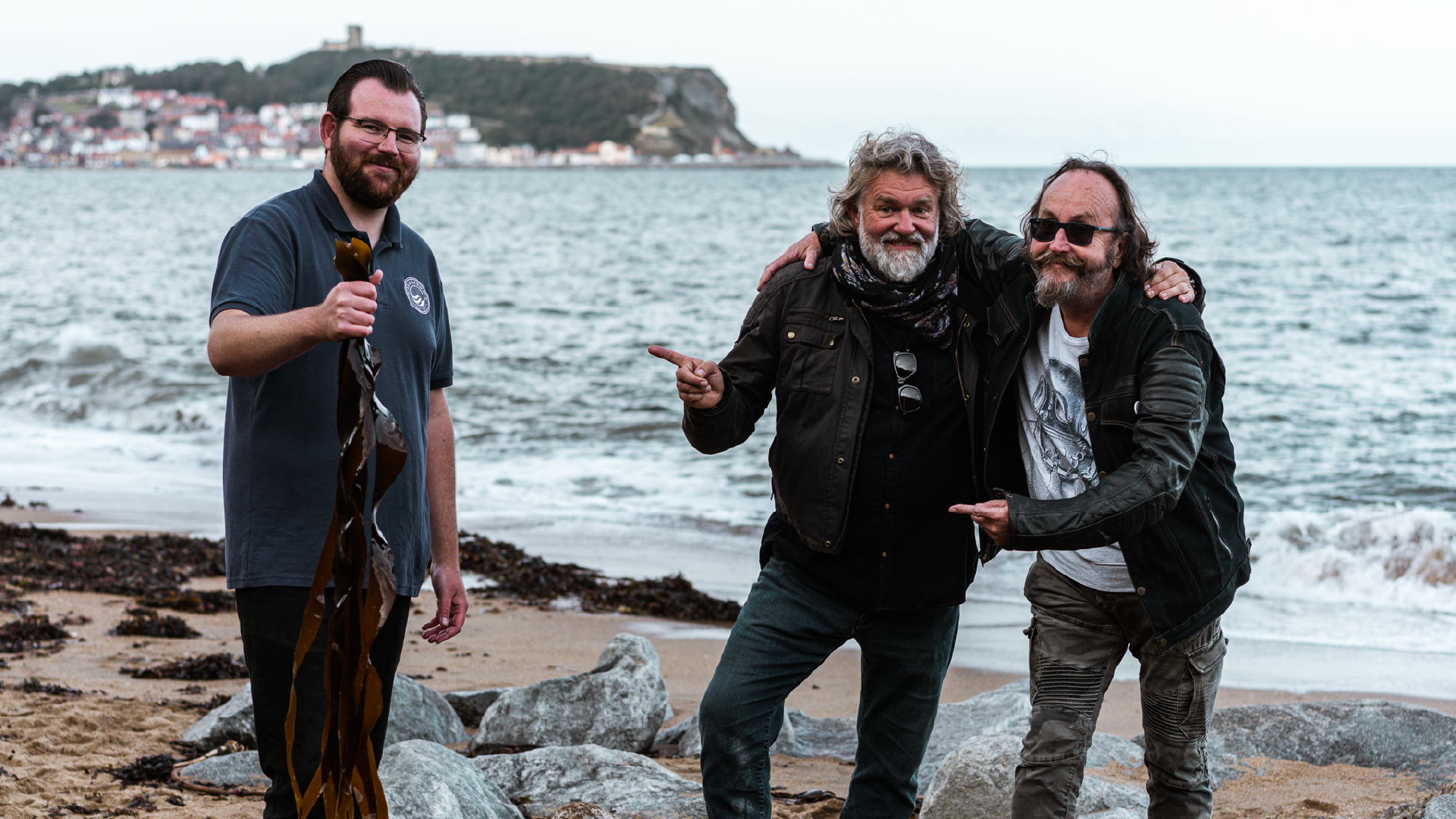
At low tide on the shore near Scarborough, the kelp beds show themselves. Dark, glossy straps lie flat across the rocks, waiting for the water to come back and lift them. Much of what you see here is Laminaria digitata, a kelp that grows along the lower shore and in the shallows around Britain and Ireland. When the tide is in, these beds shelter crabs, small fish and snails.
Kelp grips the rock with a holdfast, a branching tangle of strands that looks a little like roots. Roots feed a plant; a holdfast's whole job is to hold on, through winter swells strong enough to tear most things loose. Look closely and you'll find it has residents of its own. Small crabs, worms and brittlestars shelter in the gaps, using it as a nursery.

Young kelp starts as a single smooth blade. As it grows, the blade splits into long, finger-like straps, which is where digitata, Latin for "fingered", gets its name.
The fertile blade

When a kelp blade is ready to reproduce, darker patches appear across its surface. These are sori, clusters of tissue packed with spores, and they're what our scientists look for on the shore. The numbers are generous: just a few blades can provide enough to seed a whole Kelpedo™ unit.
The hidden generation

Back in the lab, the sori release their spores. Each one is far too small to see, and for a short while it can swim, using two tiny tails to find somewhere to settle.
What grows next surprises most people. Each spore becomes a gametophyte, a tiny, threadlike plant that is either male or female. The males release sperm, the females produce eggs, and each fertilised egg grows into a new kelp. Biologists call this the alternation of generations. It means every kelp blade on the beach began with two microscopic parents that almost nobody has ever seen.
In the lab, we keep these gametophytes growing in culture, ready for the next step.
From lab to sea

We seed the gametophytes onto our Kelpedo units. Kelpedo is our patented system for growing seaweed offshore, built for the open, high-energy waters of the North Sea. On the rope, the gametophytes produce young kelp, which grip on with holdfasts of their own, just as their wild relatives grip the rock.
From there, the units head out to our Marine Recovery Zone, our offshore site near Scarborough, where we grow seaweed to create new habitat for marine life.
Out at sea

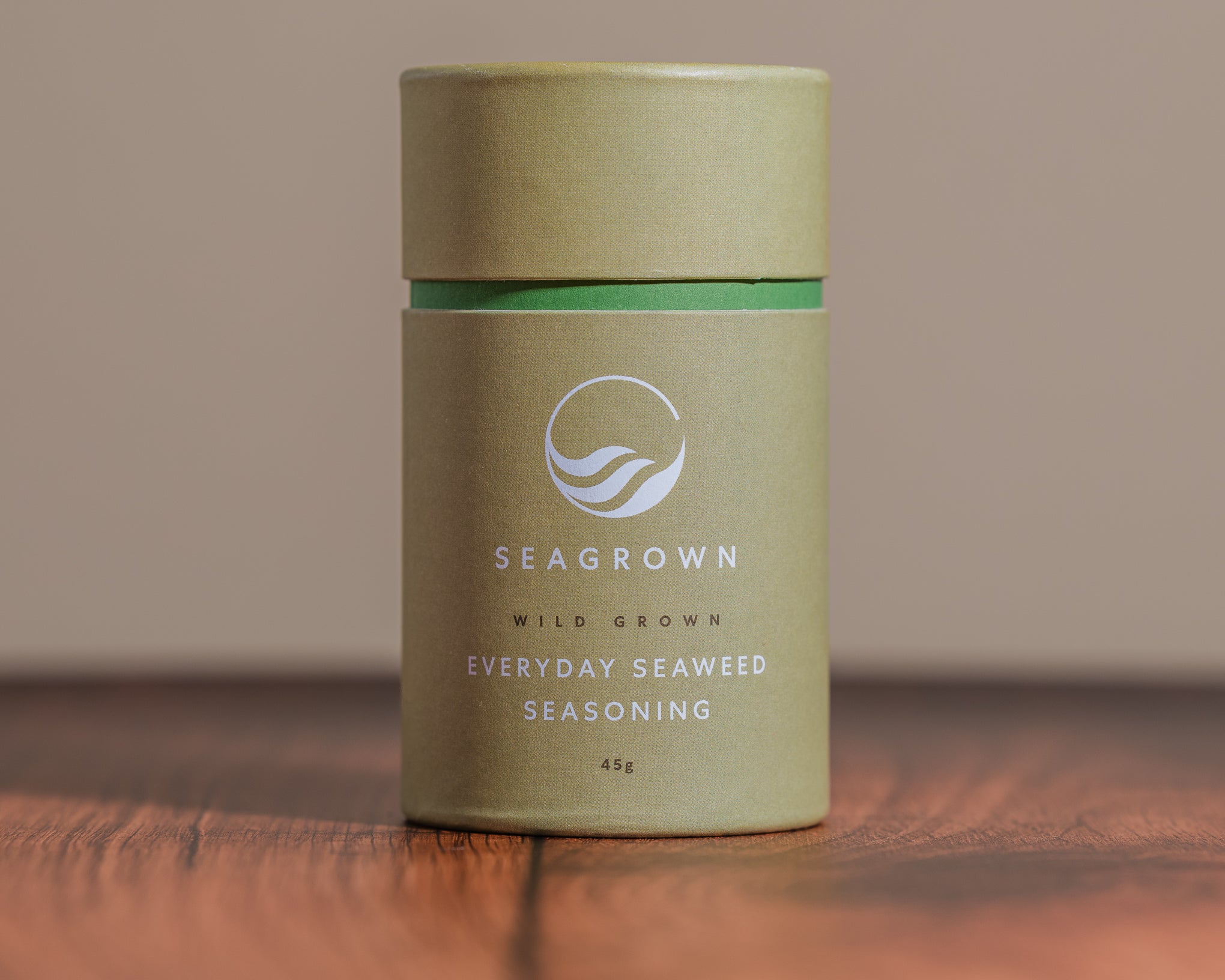
Months later, we send an underwater camera down to check on them. The blades are already over a metre long, swaying in the current and nearly ready for harvest. Some of that harvest finds its way into the products in our shop.
Habitat as it grows

While the kelp grows, it becomes somewhere to live. At our Scarborough site we've recorded more than 100 species, including mussels, starfish and crabs on the units, with gannets diving overhead. Porpoises and dolphins visit every day, and we've recorded zero entanglements. Every one of them swims away unharmed.
Next time you're on the shore at low tide, pick up a kelp blade and look for the darker patches. That's where the whole cycle begins.
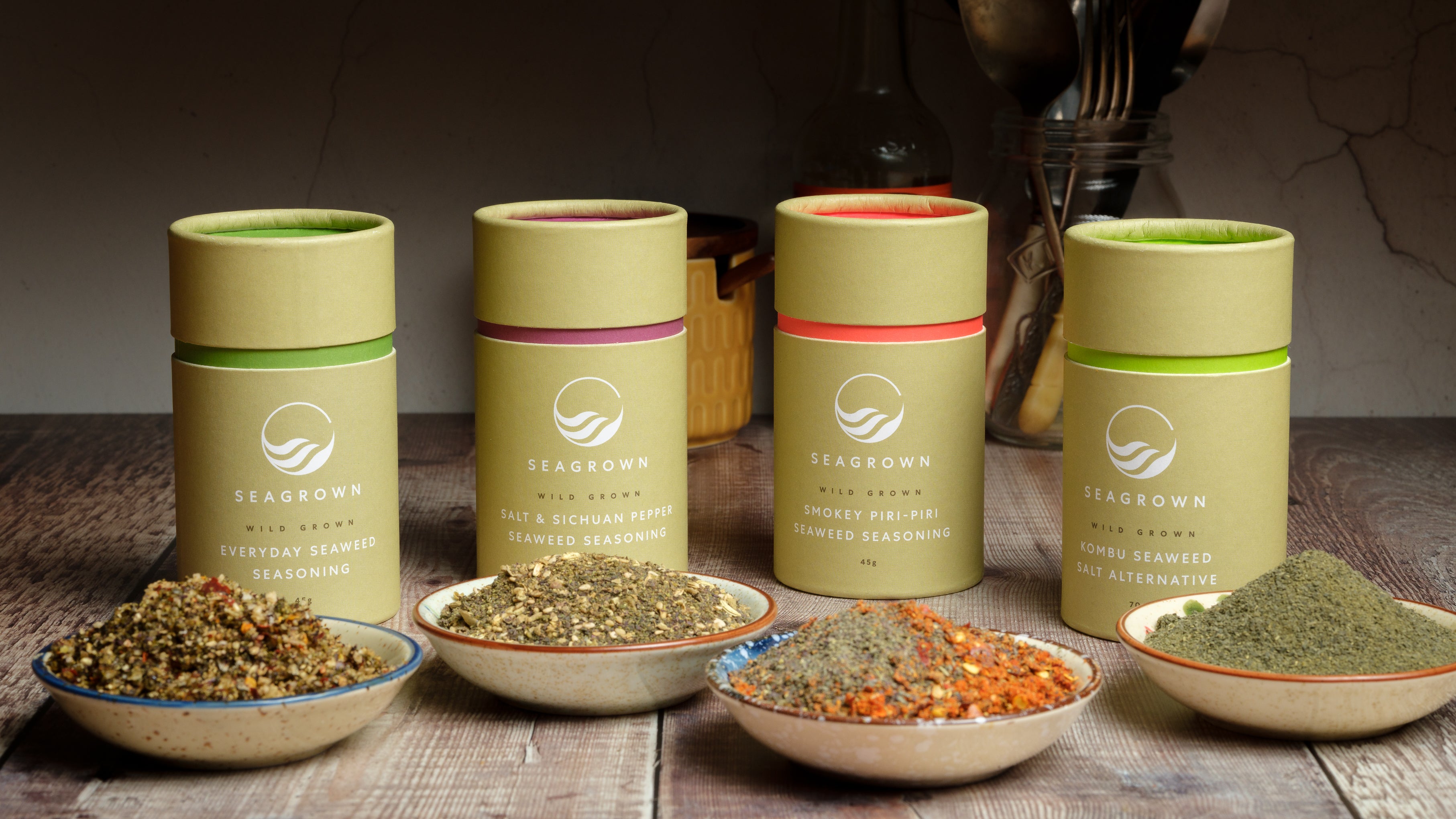
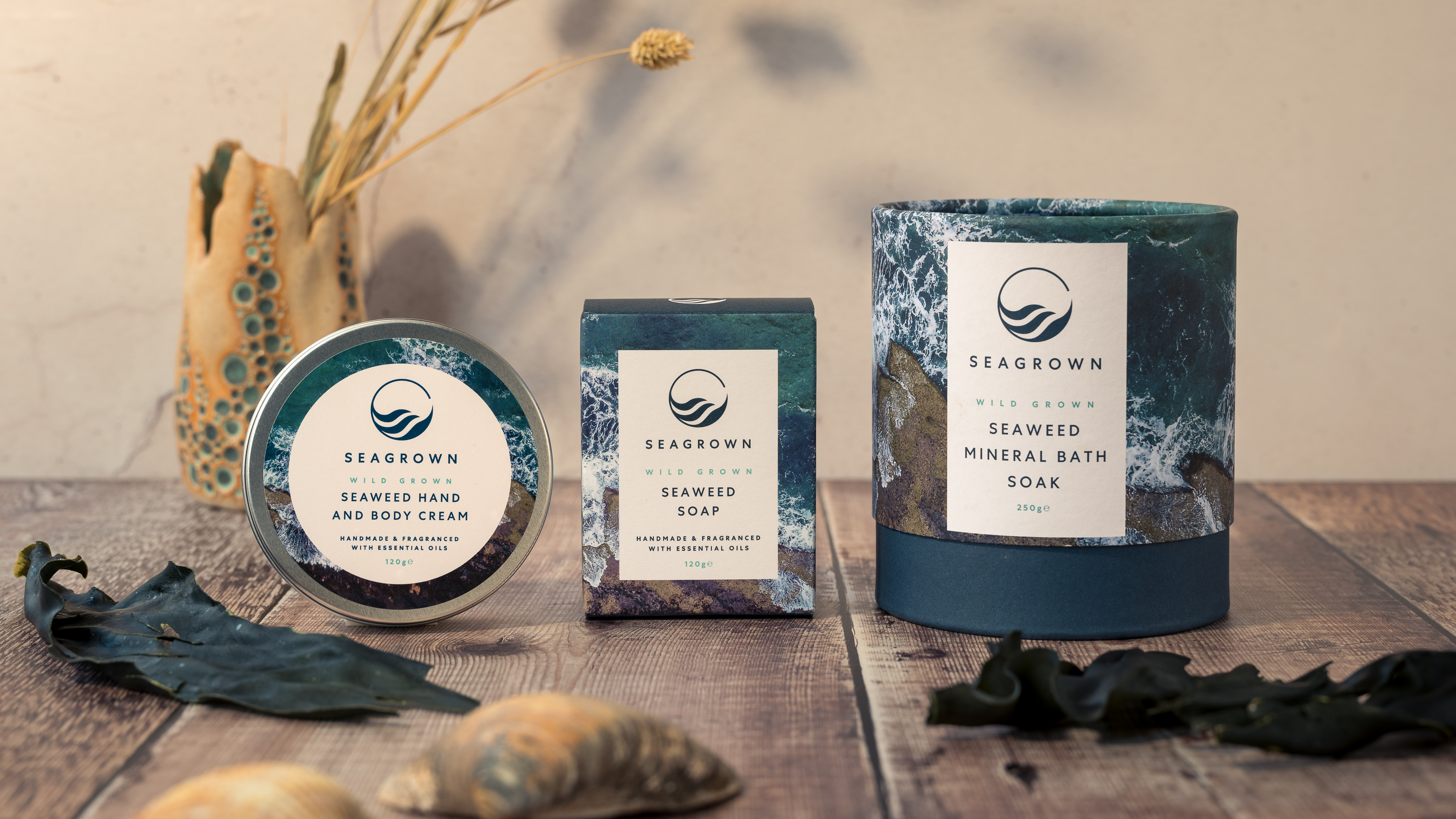
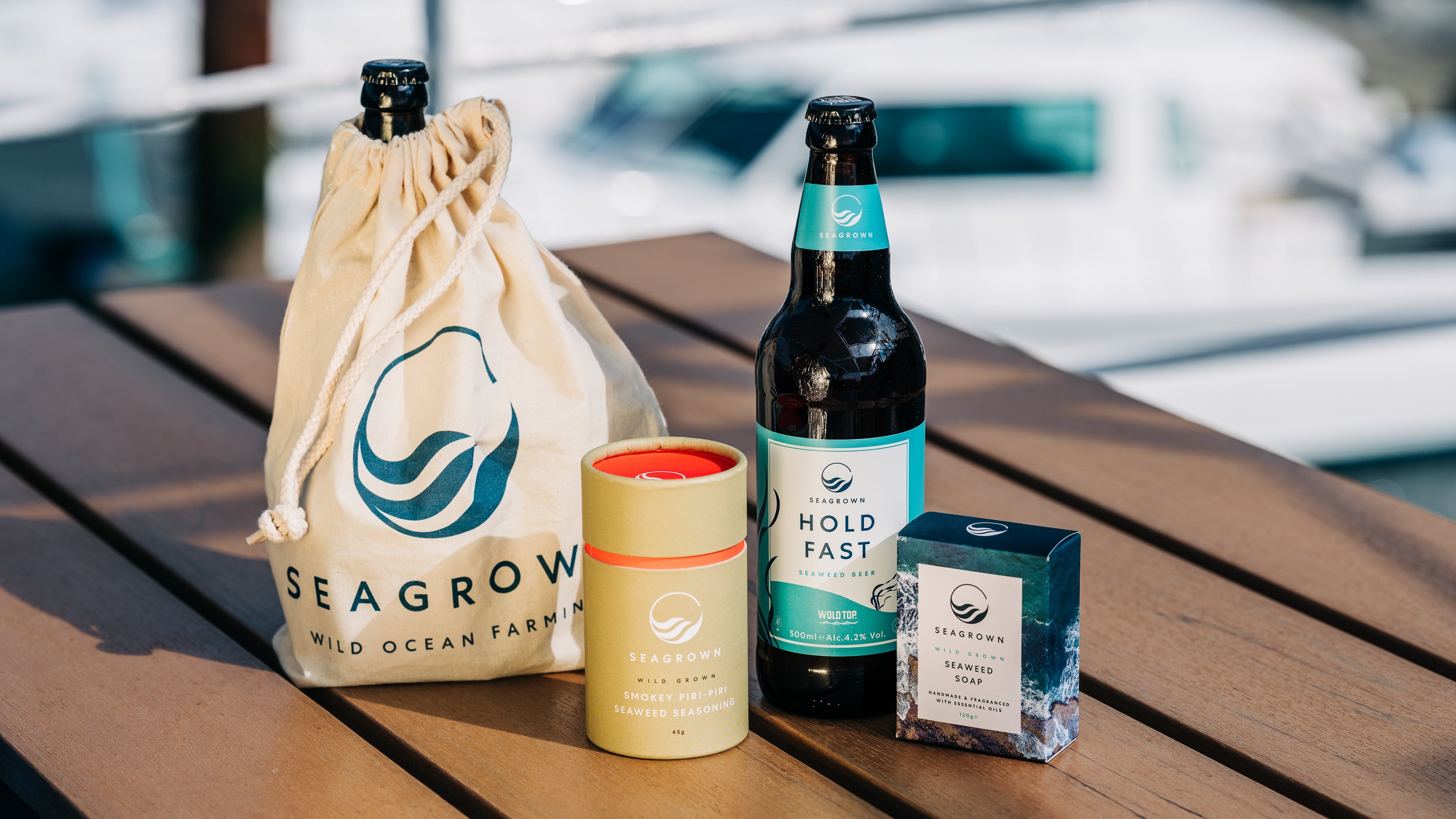
Plant a Tree in the Sea™ | our seaweed range | how the Kelpedo™ system works


This is a very interesting and informative article. Thank you.