Porpoise Follow the Food

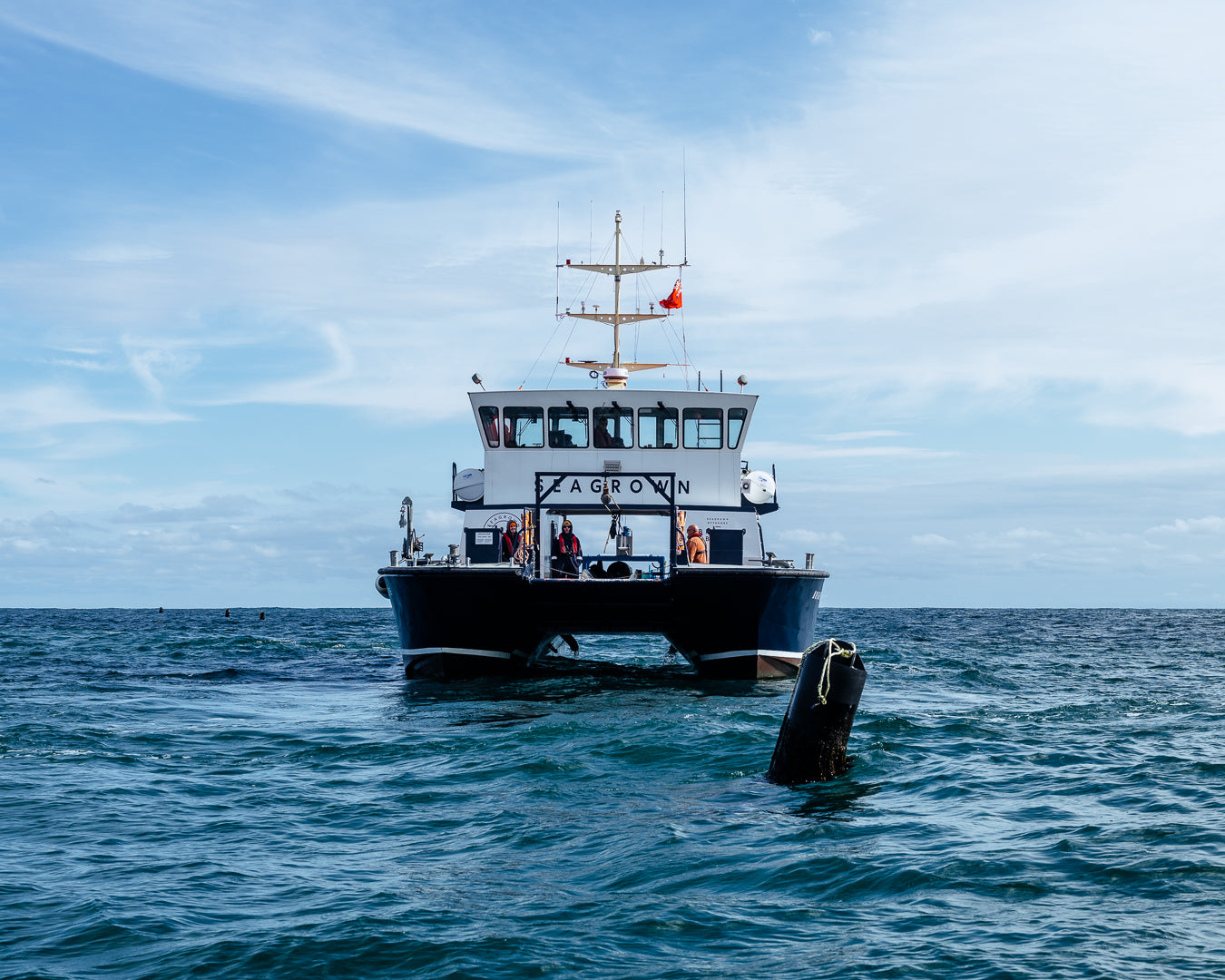
The water off Scarborough is a recognised calving and nursery ground for harbour porpoise. What holds them there is prey: sprat, sandeel and whiting, and the small animals those fish feed on. The Northern Endurance Partnership has contracted SeaGrown to increase that prey availability directly, by growing seaweed on Kelpedo™ Marine Recovery System units and keeping those units in the water all year. This is a delivery project. We build the habitat, and we measure what arrives.

GFXS5770.jpg

Why This Stretch of Sea

The water off Scarborough is a recognised nearshore calving and nursery ground for harbour porpoise. Mothers and calves use it. That is what makes this patch of sea worth adding habitat to, and it is why the work is sited here rather than anywhere else along this coast.

Our site sits four miles offshore, in water we have been growing seaweed in and surveying for years. The delivery area for this programme is a defined part of it.

What Goes in the Water: Kelpedo™

A Kelpedo™ unit is a modular structure for growing seaweed in open, high-energy water. It deploys in under twenty minutes from Bright Blue and holds under one square metre of seafloor while carrying up to a tonne of seaweed.

All year, every year

A unit stays where it is put. It is not lifted out at the end of a season, so the habitat it carries keeps building through autumn and winter, when foraging matters most. Year-round presence in the water is the point of the design.

Since 2022 at thirty-five metres

Units have held station at thirty-five metres since 2022, through successive winters and wave heights above ten metres. The engineering going into the water for this programme has already spent years working in exactly these conditions.

One Chain, Four Links

We add the first link. The sea adds the rest, and each one tells us whether the link below it is being fed.

Branch

Seabirds

Seabirds feeding on the same prey from above.

How we know

ESAS bird surveys, the standard methodology for seabirds at sea, run consistently across our sites so results here can be read against everything else we hold.

Across the whole chain

eDNA sampling

Water samples analysed for traces of genetic material, revealing which species have passed through the site whether or not anyone saw them.

Two Records, One Site

One record already exists. The other starts now.

Earlier findings, 2025

Recorded at this site during a separate study of kelp aquaculture ecosystem services, carried out under the Defra-led mNCEA programme. These are findings from earlier work, not results from this programme.

  • Harbour porpoise detected on every day of a seventeen day acoustic recording period, with a minimum of five visits a day2025
  • Bottlenose dolphin detected on seven of those seventeen days2025
  • Fifty-five species of invertebrate and macroalgae recorded living on the system (Update: now over 100 species since the mNCEA report)2025
  • Between one thousand and ten thousand blue mussels and amphipods on a single unit2025

This programme's findings, from 2026

This record begins with the first unit. Each survey round adds to it.

  • Passive Acoustic Monitoring Scheduled
  • Invertebrate surveys Scheduled
  • Underwater camera observation Scheduled
  • eDNA sampling Scheduled
  • ESAS bird surveys Scheduled

One record shows what this stretch of sea does when habitat is put into it. The other will show what this programme does. We are looking forward to setting them side by side.

Frequently Asked Questions